In April 1989, I traveled through Bolivia’s high plateau to visit friends working a dairy farm in Huancaroma. This journey became one of my earliest explorations of Huancaroma Altiplano photography.
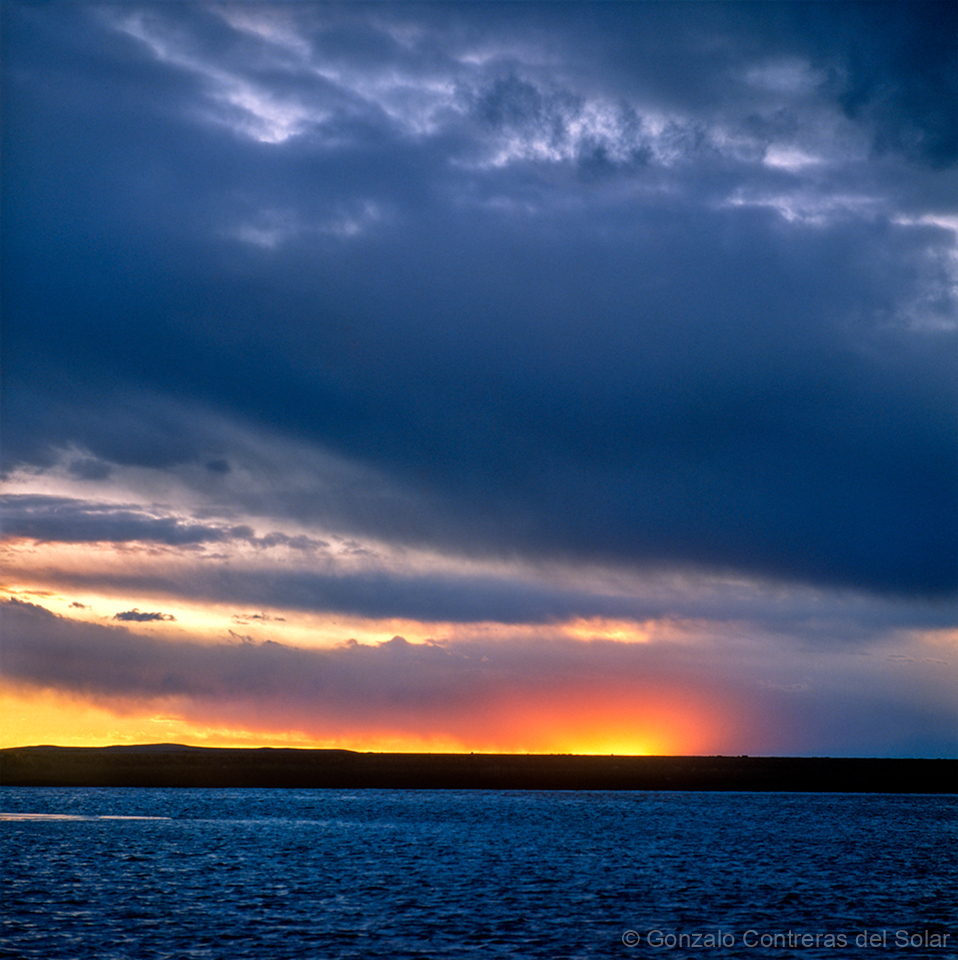
At 3,700 meters above sea level, the air felt impossibly clear, and even small details stood out with unusual intensity—light, color, water, clouds.
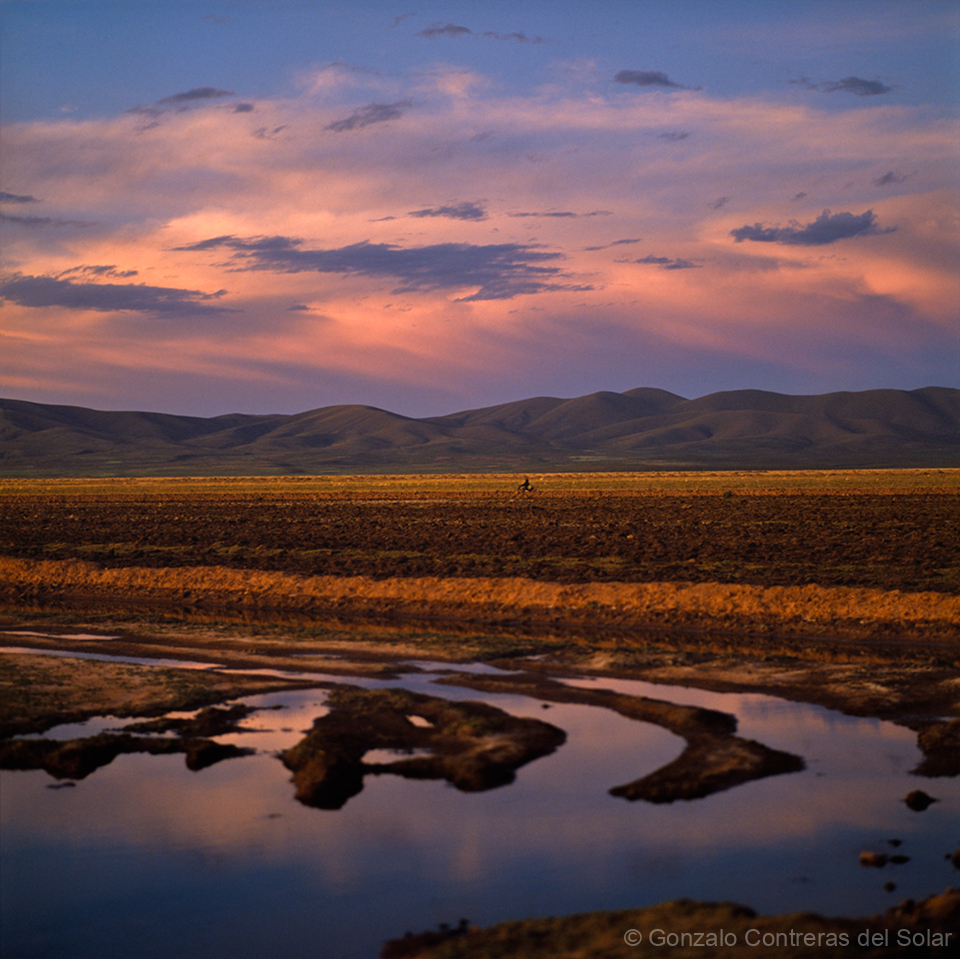
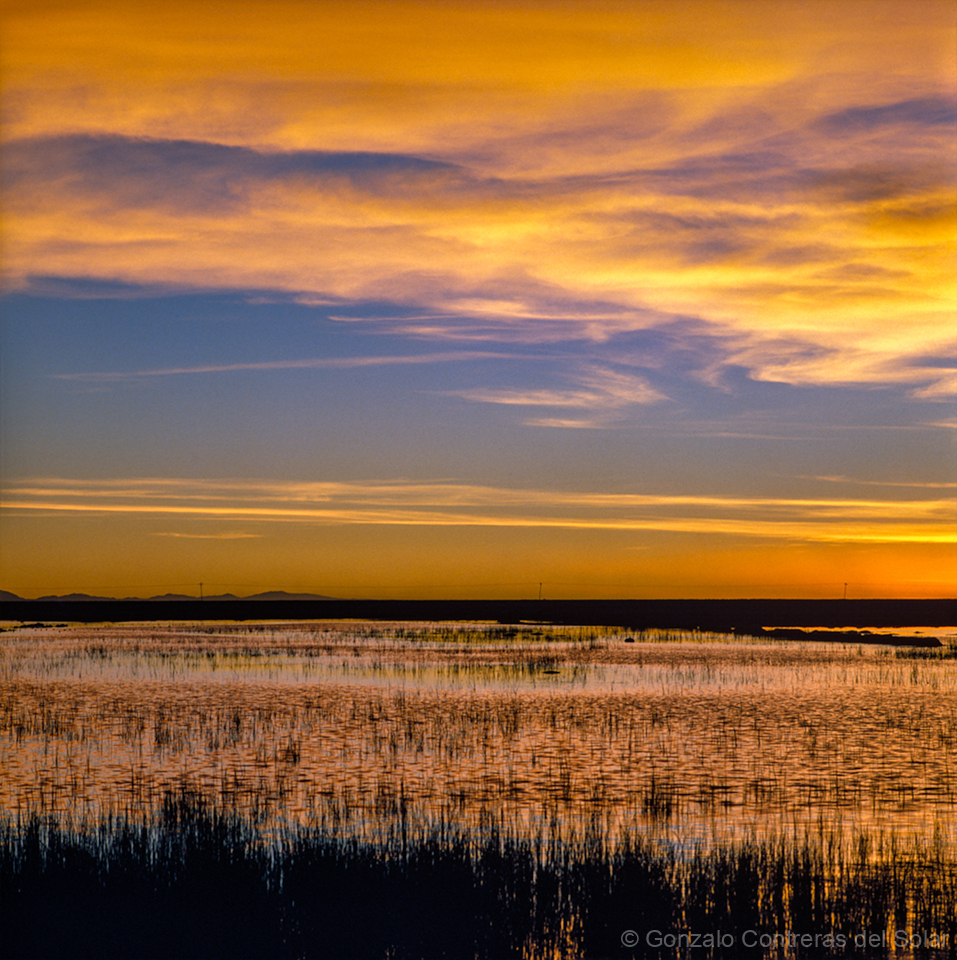
Huancaroma Clouds and Evening Light
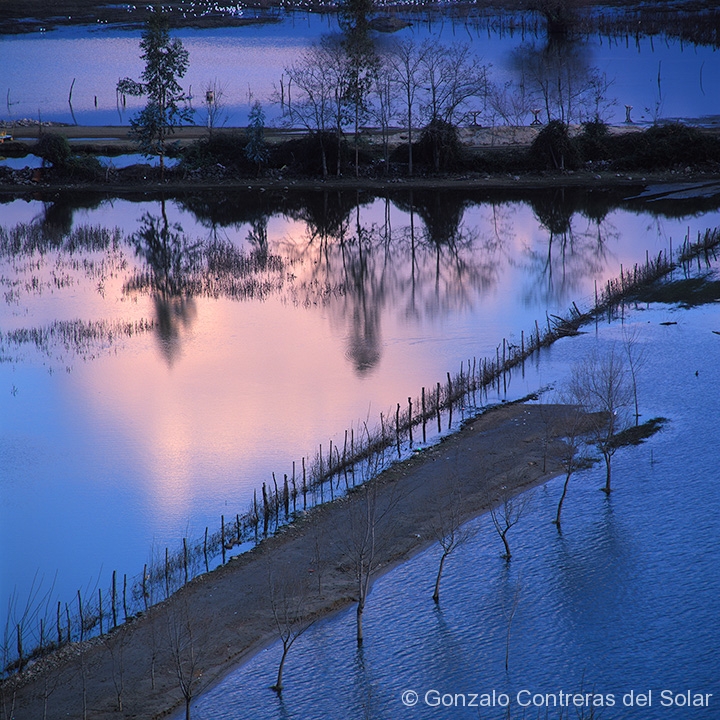
The Desaguadero River, which connects Lake Titicaca and Lake Poopó, flooded the surrounding terrain to nourish vast alfalfa fields. The irrigation channels created geometric patterns across the desert landscape.
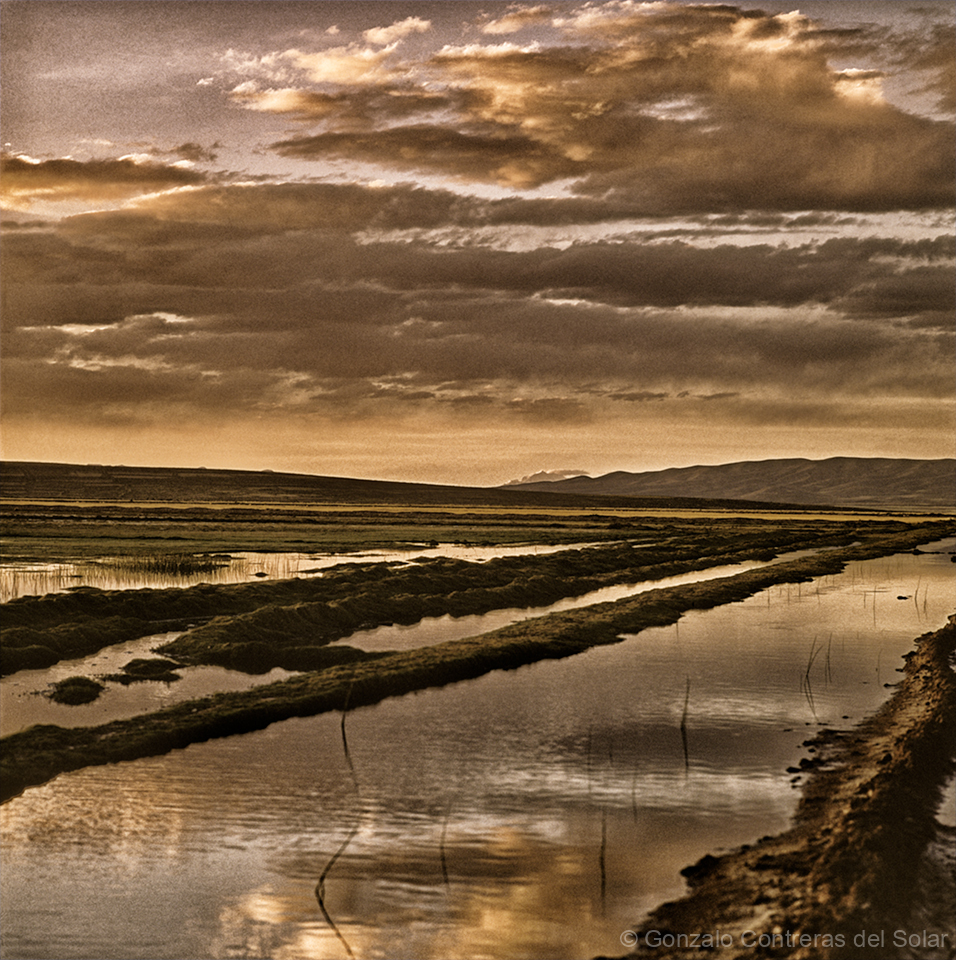
As the sun descended, these lines reflected the clouds drifting above Huancaroma, creating a stillness found only at high altitude.
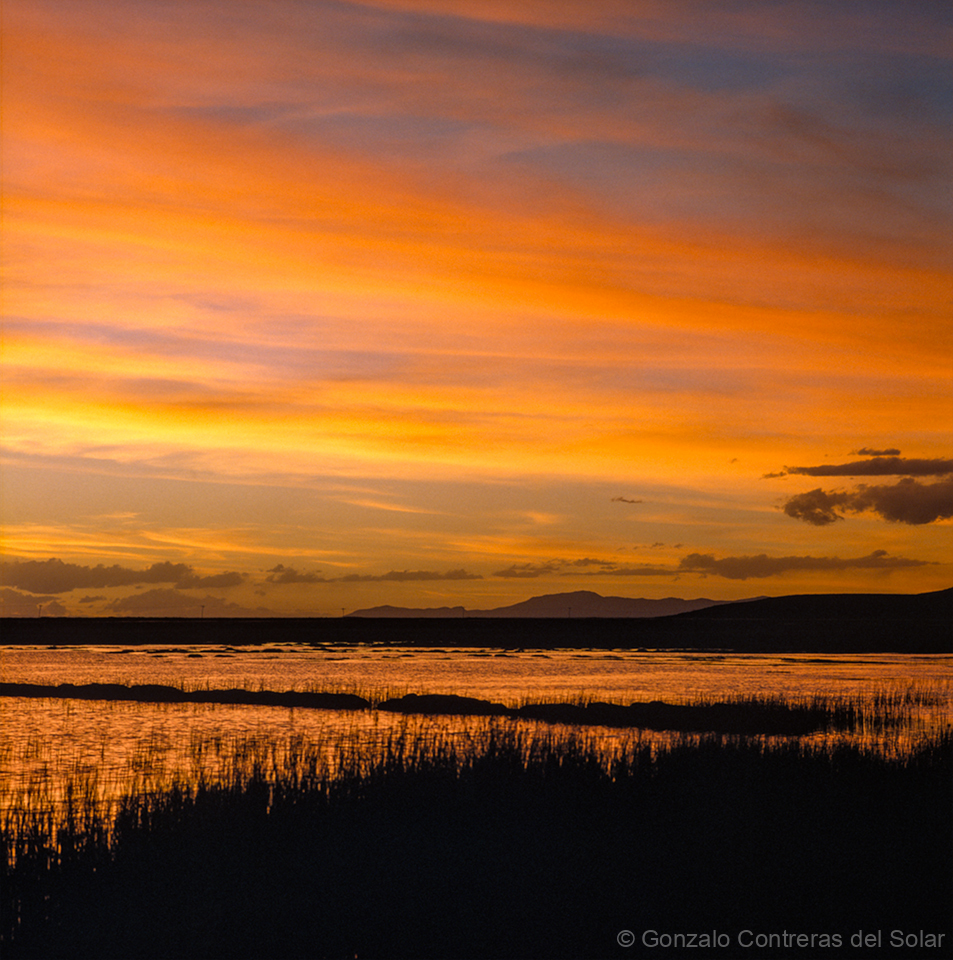
A Solitary Whirlpool at Sunset
Late that afternoon, a small whirlpool formed inside one of the channels. I had only a few seconds to capture it before it faded. This moment became one of the defining images in my Huancaroma Altiplano photography series.
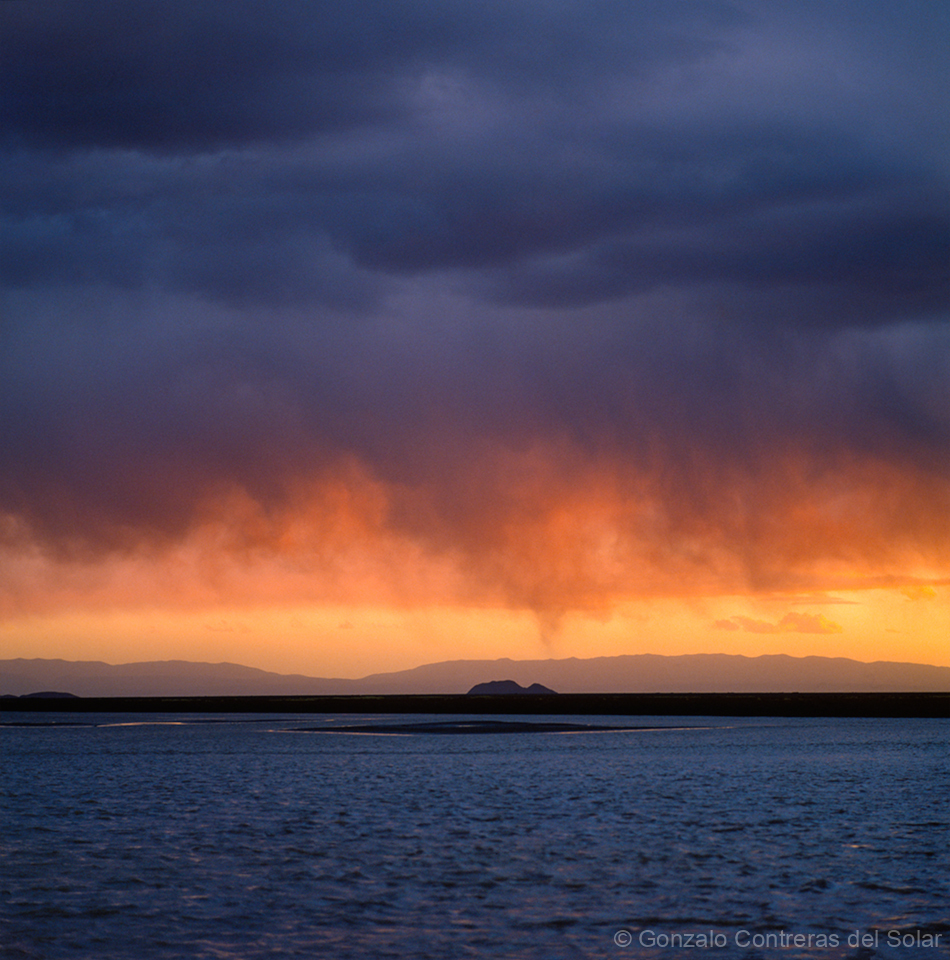
Years later, I discovered part of the film had begun to decay—likely due to a bad final wash—forcing careful restoration work in Photoshop to preserve the texture and colors.
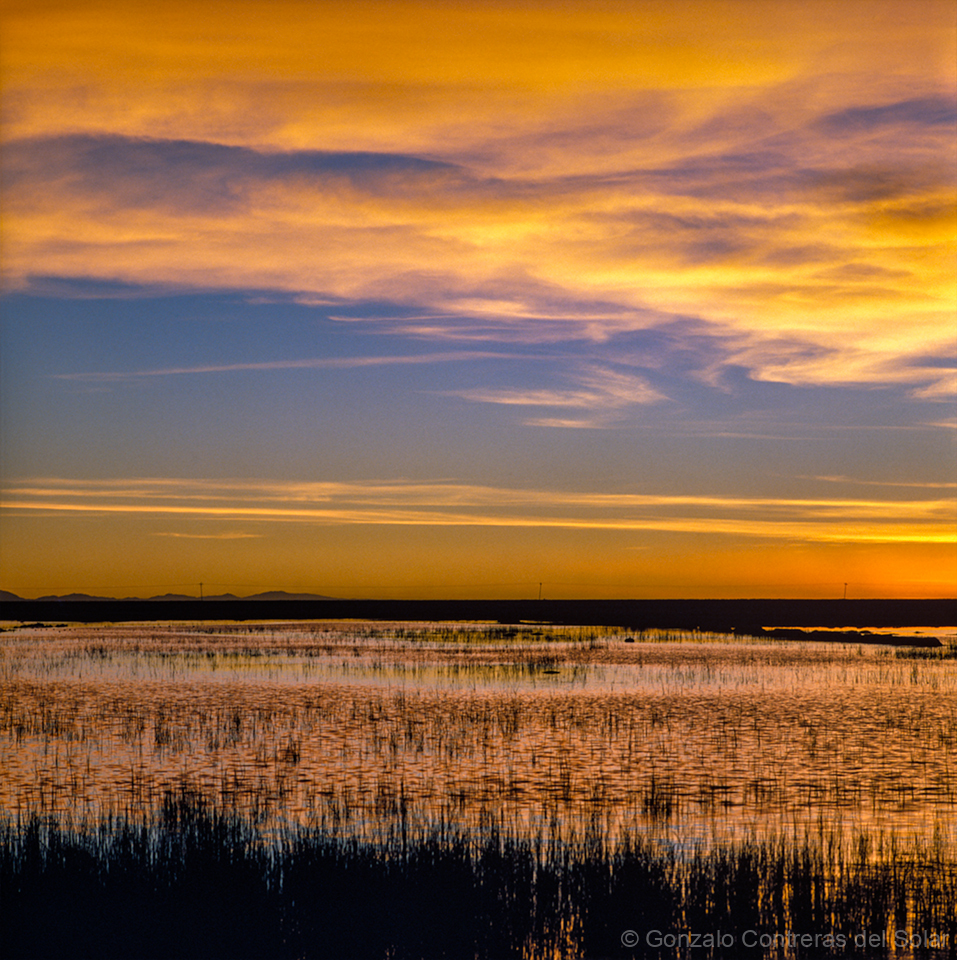
Analog Film, High Altitude, and Restoration
The Altiplano’s thin atmosphere produced strong, vivid colors, which remain even now despite age and chemical imperfections on the negative. Restoring these photographs allowed me to return to the stillness of that evening and the harmony of wind, water, and sky.
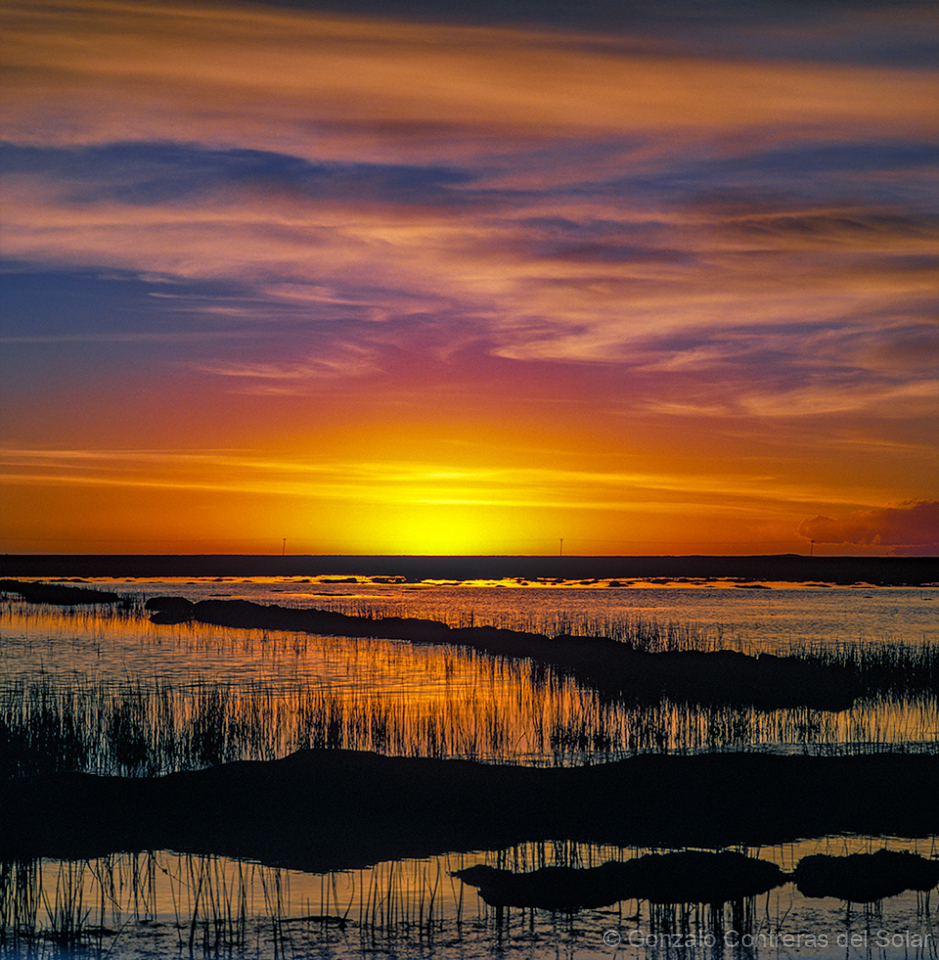
For other posts related to my landscape work, explore Huayna Potosí Cloud post — fine art photography where water, memory, and time become poetic meditation.